
Conjuring, Annabelle, The Nun… What are the best and worst films in the horror saga, and in the extended Conjuring-verse?
Ghosts, demons, possessions, murders, exorcisms, curses: in 10 films and 12 years, the Conjuring universe has delivered a hefty dose of horror, memorable or not. But it’s a box-office machine, so who’s complaining? ScreenRant? No, Ecran Large revisited every entry to rank them from worst to best. It was painful, but we pulled it off.
10. The Nun II
- Release: 2023
- Runtime: 1h49
What’s it about? Clearly short on exorcists, the Catholic Church once again tasks poor Sister Irene with tracking down the perfidous Valak, who’s wreaking havoc across Europe. Alongside a hooded NPC, she ends up at a southern French boarding school where she bumps into the old Maurice. The two former partners must confront their demons. Literally.
Why is this a crock? At this point, under the direction of Michael Chaves, the franchise has become a gigantic recycling bin. It may be in old pots that you make the best jam, but you don’t make tolerable, or even watchable, films with the same gimmicks. In nine installments, the classic haunted-house codes first introduced by James Wan have dulled to the point of losing their bite and interest.
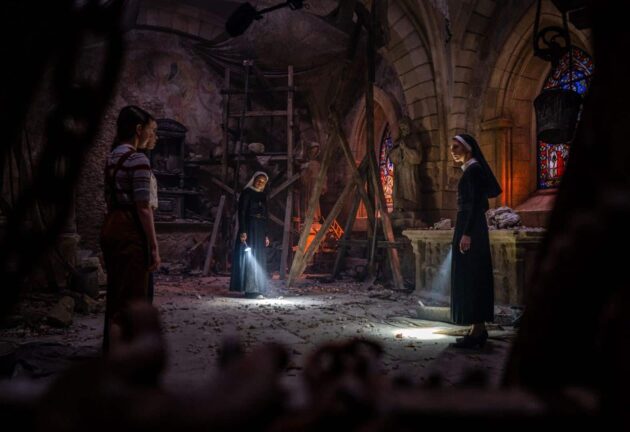
To be fair, the affable father of Malignant tried to inject a playful motion to its camera, background reveals, and jump-scares. None of that in the mega-sluggish The Nun II, which piles up fright sequences ad nauseam without even attempting to stage its anonymous entities, and its worn imagery, to the point of even lifting a shot from Conjuring 2! The confrontations with the multiform demon—arguably the most generic in the history of American religio-horror—are cut like a Christmas TV movie, with shades of black as a special effect.
The plot feebly tries to cobble together a kind of MCU of baptisms and sibling-brother-in-law dynamics, featuring another sacred relic that straightens demons and converts heretics (sorry, Storm Reid), all while juggling the appearance of the titular Nun, sometimes reduced to mere wallpaper. Naturally, it’s ugly, ridiculous, and interminable.
9. The Curse of the White Lady
- Release: 2019
- Runtime: 1h34
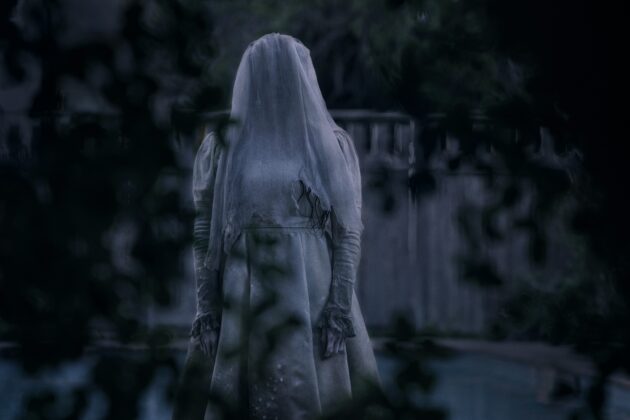
What’s it about?The White Lady. An infamous specter stuck between heaven and hell, trapped by a grim destiny she herself helped forge. The mere mention of her name has haunted the world for centuries… No, it’s just another white-dressed ghost charging after children to make them jump.
Why is it painful? Many of the films in the Conjuringverse flirt with the edge of suffering. But only The Curse of the White Lady pushes it to that limit. The franchise’s aesthetic logic is driven into siege works: every counter-shot houses a painful jump-scare, torturing our ears with a sound mix that negates nuance. It’s as if the ghosts spend their entire time leaping out of every dim corner to squeeze a scream from gullible audiences.
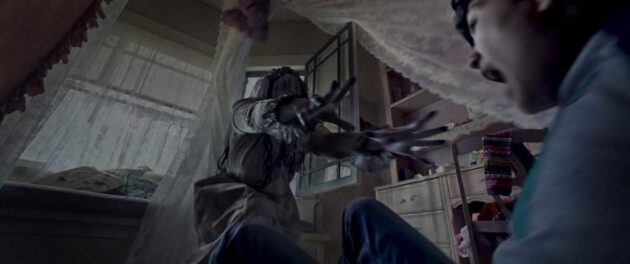
Everything in this film is designed to test our senses, from a cutting montage chasing jump-scares to a generic pseudo-atmospheric soundtrack, plus a ghost that’s a pale copy of half the franchise’s catalog. The origin story is hurriedly pasted into a church corner, reciting the plot of most productions of this genre, and it reveals the true nature of the object: a crude marketing product, whose opportunism won’t escape even the most credulous viewers.
As always, the French cast plays along in mercantile ruse. To better convince pre-teens obsessed with local creepypasta, the film even changes the specter’s identity and makes the myth fit the presumed tastes of a crowd reduced to a commercial target. The Llonara, whose name was quietly swapped in the print subtitles, becomes the White Lady. Because in the Conjuring universe and its disciples, ghosts are all the same.
8. The Conjuring 4
- Release: 2025
- Runtime: 2h15

What’s it about? A family is beset by paranormal disturbances that ruin their lives, so the Warrens come to their aid at the request of their daughter, Judy, before retiring from demonology.
Why is this a disappointing ending? In the absolute blandness of the storyline, it’s impossible to tell whether The Conjuring: The Concluding Hour aims to close the saga or set up a sequel. The human arc of the Warren couple feels rushed in what should have been their farewell, in order to focus on building the character of their daughter, Judy, who clearly seems destined to be the future heroine of the brand.
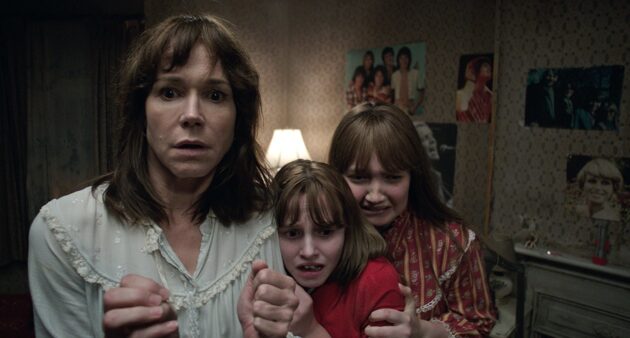
So the same little Catholic-puritan fever dreams recur around engagement requests and a father-in-law bromance. And in the middle? No real scares worth mentioning, since to rival Valak or Annabelle there’s only a poor mirror that’s supposed to be possessed but whose entity is never embodied by a charismatic demon. And a glass surface is limited in its ability to leave a mark.
The family subjected to the haunting, meanwhile, is as forgettable as the rest, offering no real emotional stakes.
The Conjuring 4 isn’t the most or least offensive entry in the Conjuringverse, it’s simply the laziest and dullest. A damning verdict for what should have been a pomp-filled finale. The cherry on top is the closing credits that finally confess the Warrens were “controversial” figures, while hiding behind their claimed contributions to the world of demonology.
It was high time to free Vera Farmiga and Patrick Wilson from these characters and let them fly toward other horizons. Safe travels, Ed and Lorraine, and please don’t come back!
7. Annabelle 3
- Release: 2019
- Runtime: 1h45
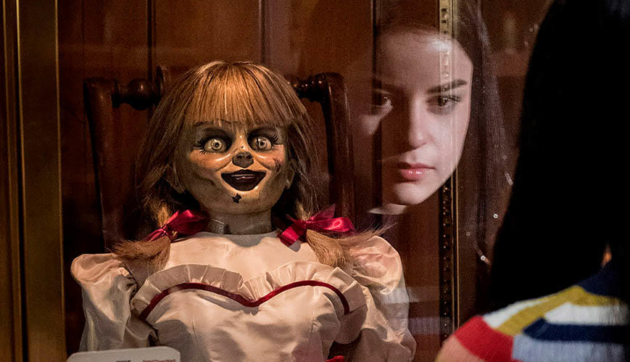
What’s it about? After two films, the Warrens collect the cursed Annabelle doll. According to them, the object isn’t haunted in itself (groundbreaking, right?) but it attracts evil in all its forms. The couple decides to lock it away in its own little room—a veritable carnival of jumpscares.
Of course, the babysitter for their daughter brings home the most clueless friend, who easily bypasses the protective safeguards and releases a torrent of demons, ghosts, and other spirits. The night will be long, for them and for us.
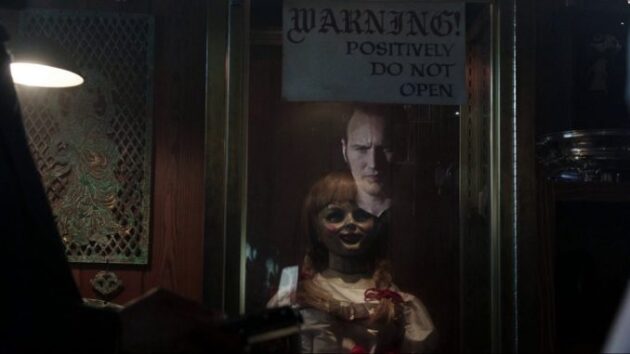
Why it’s a colossal mess? The first Annabelle was already a confession of defeat: you can’t make the doll itself the main antagonist. The sequel skirted around the problem a bit, and this third entry finally goes for an Annabelle film… without Annabelle. Using the object as a catalyst, Gary Dauberman and James Wan finally break free from the drab seriousness of a saga that had been wobbling in the murky middle too long and embrace the pure ghost-train energy we expect from Conjuring-verse films.
The original idea behind Annabelle Comes Home (the original, much more apt title than the French release Annabelle: la Maison du Mal) feels like an unfulfilled fantasy: the Warrens’ famous room, which has teased us for years, could finally spill its riches (Japanese ghosts and mutilated specters share the space with bloodied brides and werewolves) on a handful of brainless youngsters, flouting the franchise’s historical ambitions.
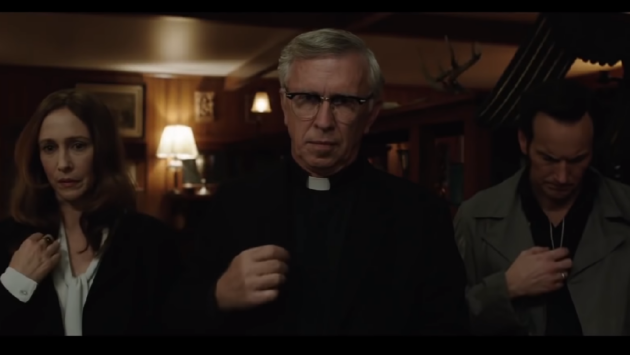
Disembodied, devoid of will, crowded with conveniences (the serious Alfre Woodard) and too loud to truly scare, Annabelle becomes interminable (even at its modest 98 minutes) and particularly dull. And even if a few sequences are entertaining (that priest violently hurled across the room) or well-executed (the elevator scene), the whole thing never recaptures the mood of its early moments and remains deeply pointless.
Troubling for a feature that’s supposed to expand the universe it’s built from and rest on a doll you hardly see.
6. Annabelle
- Release: 2014
- Runtime: 1h38
What’s it about? John buys a doll as a gift for his pregnant wife Mia: a present that quickly turns into a nightmare. After surviving two satanists entering their home, the couple—and especially Mia—are confronted with the doll’s return as an evil force channels Annabelle.
Why is it irritating? Probably because we all expected more from the famous haunted doll after the chilling first Conjuring introduction—and the film that began the entire franchise was so well done that this spin-off felt especially tempting to fans.
With a film focused on the creepy doll, the franchise had something to explore: the potential to raise the bar of fear and screams. At first, the opening sequence mirrors The Conjuring, and the movie starts strong when Mia first encounters Annabelle (played by Annabelle Wallis). But as the tale moves beyond this, the new house and family feel uninspired. If you don’t blame the characters (the doll returns even though the husband tossed it out, and everyone shrugs), you can point to the script—lazier, more by-the-numbers than inventive.

Unimaginative, devoid of will, bloated with conveniences (the serious Alfre Woodard), and too loud to genuinely scare, Annabelle becomes interminable (despite its lean 98 minutes) and particularly dull. And even if a few moments (the priest hurled violently through the air) or a few scenes (the elevator) worked, the whole fails to recapture the atmosphere of its opening moments and remains painfully vain.
Glaringly, for a movie intended to develop the very universe it’s drawn from and rely on a doll we don’t actually see that much.
5. The Nun
- Release: 2018
- Runtime: 1h37
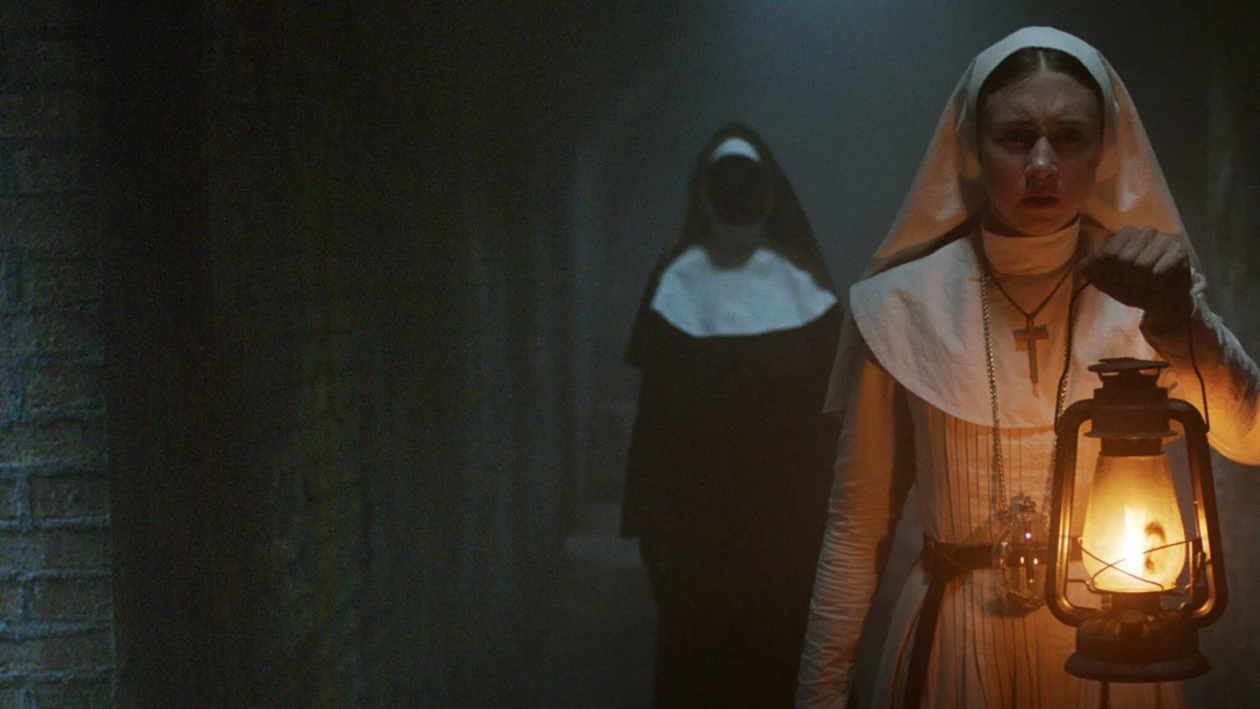
What’s it about? Before becoming the luxury cameo in The Conjuring 2, the famous nun Valak haunted dark corners and old mirrors in a Romanian abbey. That was enough for the Vatican, which sent Vera Farmiga’s sister and a priest to investigate—and it confirmed: this is a big mess.
Everyone knows no one will stop the nun, because the story unfolds in the 1950s. The blame falls on a French peasant named Maurice, who will later be exorcised by the Warrens, because this universe is surprisingly well thought-out, after all.

Why is it not great? Because this all started with five minutes of a nun in the dark at the Warrens’ place, and evidently no one went much further. Valak’s origin story was built around the enthusiasm from its appearance in The Conjuring 2, with one obvious intent: to mine Gothic horror heritage to pad out the formula.
A fun idea, and logically suited to a Catholic-porn universe that leans on genre clichés (an inverted cross here, a strange voice there). The director Corin Hardy had delivered some good scenes in The Sanctum, imperfect but entertaining (though James Wan served as second-unit director on The Nun, in case you forgot).

Yet on screen, it’s outright empty, barely camouflaged by a dozen fog machines whenever a character steps outside (and sometimes inside, because—why not). It’s no accident that one of the least-broken scenes echoes Valak from The Conjuring 2, but it’s made simpler, dumber, and less frightening. Without inventive staging or strong visual ideas, episodes in this Conjuring-verse crumble and reveal their abyssal vacuity.
Welcome, then, to a lair of clichés as big as a hollow ghost-train’s box office (to date the franchise’s biggest success, with over $365 million): deserted abbey, shady village, novice sister, a priest haunted by a few ghosts, mythology padded with clunky dialogue, gusts of wind as the Devil airflows damp rooms, and silhouettes in the background to scare you. It’s a festival of low-rent jump scares, from the opening shot of a nun being dragged by the feet in a dark room to the final tornado of CGI.
4. The Conjuring 3
- Release: 2018
- Runtime: 1h37
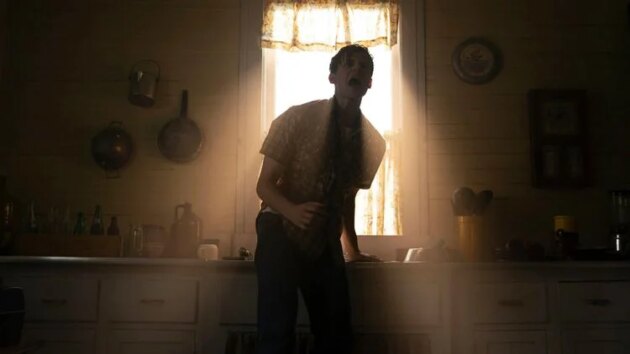
What’s it about? 1981. Arne Cheyenne Johnson kills the owner of his apartment and pleads not guilty, claiming possession by a demon in his trial, which unsurprisingly drew media attention and fascinated a large portion of the American public to this day. Far from a simple haunted house story, this time the franchise steps into the courtroom, tackling the American legal system, its courts, police, and contradictions, all under the banner of possession and a curse.
Why is it forgettable? How do you prove the devil exists? Or convince a court recognizing the church and swearing on the Bible? The long setup of this third main line installment telegraphs its intentions: The Exorcist-style dread replaced by a possession-and-curse tale, then shifted into legal drama. It’s a bold, and arguably intelligent, move that promised a renewal for the universe and for the Warren-centric dynamic.
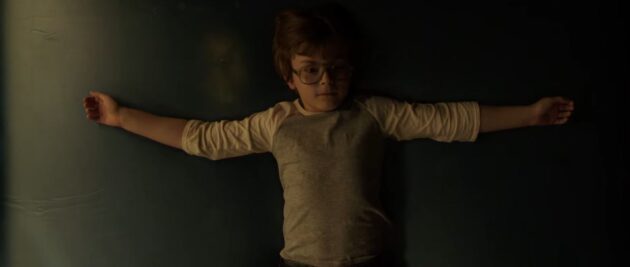
Unfortunately, to say something interesting and a little deep, you can’t simply show good will. And stopping right there after that intriguing introduction only makes things worse. In the haunted house, the ghosts will be replaced by the curse of a sorcerer who worships evil and Satan. You want a renewal? This is not it. The American Christianity at the heart of this universe is vibrant and woven through every layer of society. Real changes would require real investment, but the franchise’s tendency to rely on a safe formula wins out over risk-taking, especially when the budget (a bit over $24 million—the smallest of the Warren trilogy) isn’t enough to do much else than more action-packed jump-scares, a few rehashed monsters, and a few subterranean set-pieces as a climax.
In any case, the fatigue, the lack of vision, and the absence of ambition are palpable. Worldwide box office hit around $201.9 million, but it remains the lowest grossing entry of the three Conjuring films. A pity for a movie that had so much to offer.
3. Annabelle: Creation
- Release: 2017
- Runtime: 1h50
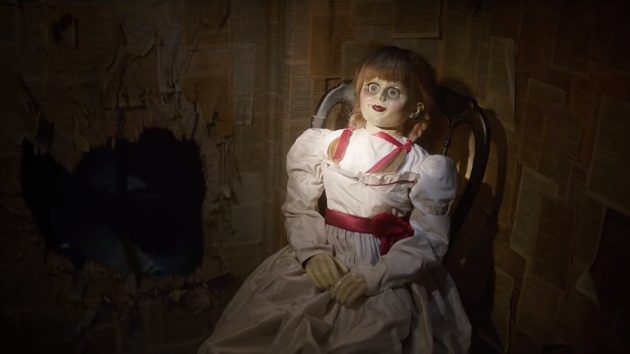
What’s it about? A toy-maker and his wife welcome the residents of a closed orphanage into their secluded home. But their house also serves as the residence of their latest creation, Annabelle, and she doesn’t take kindly to a troupe of little girls arriving on the scene.
Why isn’t this so bad? Annabelle: Creation carries many of the satellites’ flaws of the Conjuring-verse. It frequently relies on easy effects and, in its first half, leans almost entirely on cheap jump scares, lacking genuine surprises. The visual style uses Catholic imagery rather inconsistently—not that it’s out of place, but it feels like a crutch, as if the franchise’s imaginative world is poor and safe, leaning on a familiar reference list rather than offering a new interpretation.
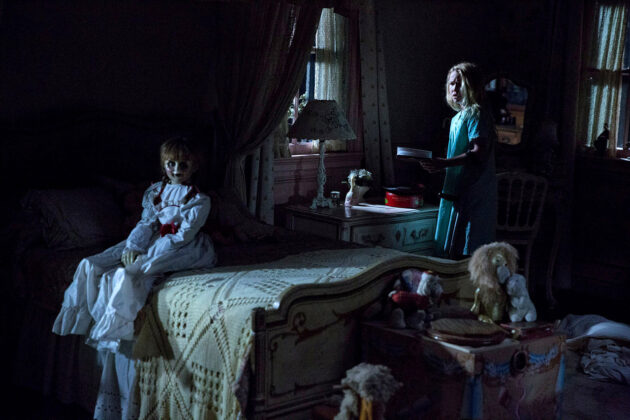
Ultimately, this installment feels like a James Wan-inspired take on a suburban ghost story gone wrong. The creative team’s playful experimentation is caricatured at times, as a nod to Wan’s approach is used merely to give a sense of variety. But the treatment of this promising pitch exposes the Conjuringverse’s biggest fault after its creator left the director’s chair: a reliance on a one-size-fits-all formula, a Hollywood habit that’s downright off-putting for a genuinely scary horror film.
2. The Conjuring 2: The Enfield Case
- Release: 2016
- Runtime: 2h14
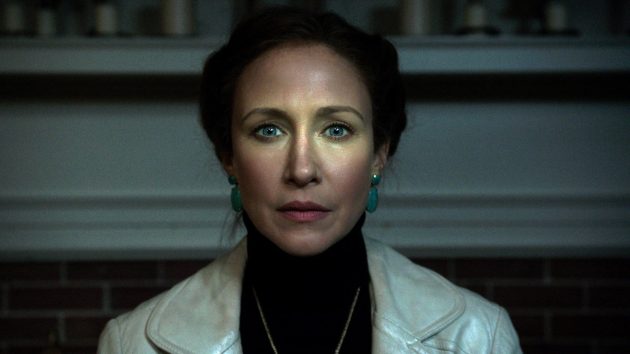
What’s it about? As the Amityville case is making waves in the U.S., Lorraine and Ed Warren return to North London to help a mother and her daughters living in a haunted house. Drawn from a true story, obviously (lol).
Why it’s good? Whatever you think of James Wan as a director, you can’t deny he’s got chutzpah, and this second entry in the Conjuring-verse is probably one of his finest moments. After the first Conjuring hit big and Wan handed the reins to a friend for the failed spin-off Annabelle, he decided to take the wheel again—directing, writing, and producing this time (yes, he wanted it all). All while juggling the other franchise, Insidious.
It was then a question of how the Chinese-Malaysian director could steer the horror engine back on track after the critical flop of Annabelle (box office was huge, though: $257 million worldwide on a $6.5 million budget). The answer? Reclaim the Warren dossiers by reinstating the duo and turning up the emotional temperature.
On paper, The Conjuring 2: The Enfield Case doesn’t look special—an anxious family haunted by a demon, a possessed little girl, chairs moving on their own, doors slamming, and walls trembling. Yet it’s a little treat in many ways. Of course, this movie isn’t perfect—too much anticipation, a somewhat messy script, and a 2h14 runtime that lingers—but it still delivers the thrills of Ed and Lorraine’s latest misadventures.
Beyond delivering some sharp frights inside the Enfield home, James Wan pushes the pedal on character development. Their love, their bond, their torment (the enigmatic Lorraine premonition that began in the first film sits at the heart of this tale)… everything feels more defined, even if the execution sometimes feels heavy-handed. The story benefits from not being a mere haunted-house tale but a demon-wrangling, romance-infused confrontation.
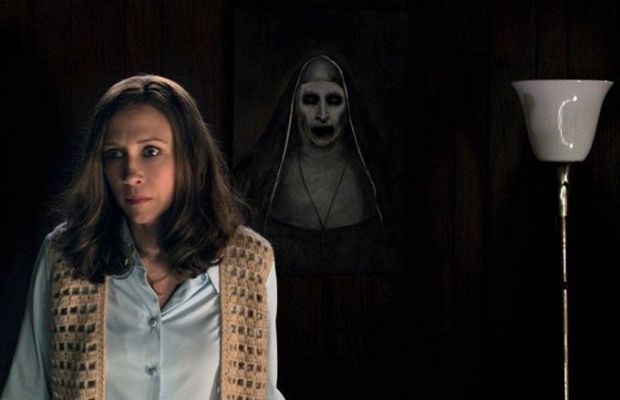
Moreover, if Wan manages to make his two leads even more endearing (the guy really knows how to give his protagonists a charge that makes you want to see more), he also indulges in introducing new creatures and teasing the broader scope of the universe. The Crooked Man sent chills down more than a few spines during his debut, and one wonders why that beast hasn’t earned a solo film yet (it would surely beat Annabelle).
But more than anything, it’s with the nun (Valak) that the future director of Aquaman has the most fun scaring the audience. Beyond her terrifying appearance, she’s used with Wan’s imaginative direction. And that scene where Valak’s painting comes to life and attacks Lorraine Warren head-on alone makes The Conjuring 2: The Enfield Case worthy of its place, surpassing many other entries in the franchise.
1. The Conjuring
- Release: 2013
- Runtime: 1h50
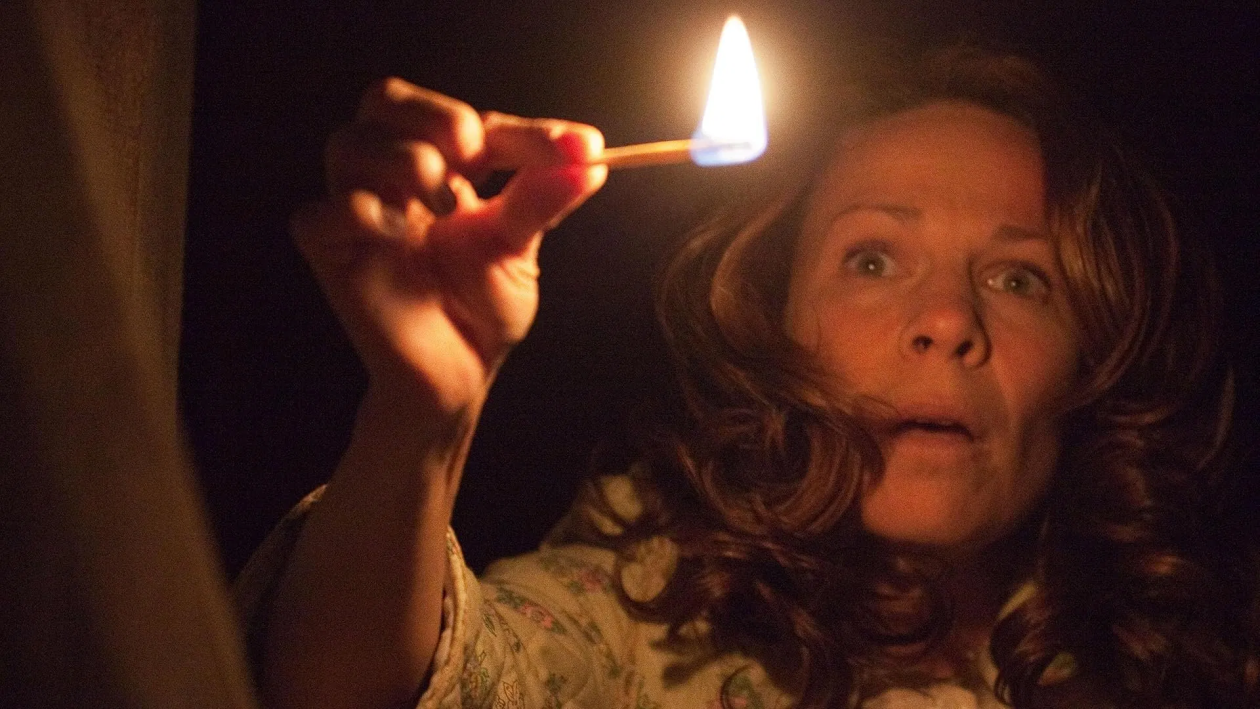
What’s it about? A family calls in the Warrens after a dark presence begins to terrorize their remote farmhouse.
Why is it scary? When this first Conjuring hit hit theaters, James Wan was already a household name in horror. He’d shown a love for the classics—gothic nightmare cinema from Dead Silence to the faux haunted-house vibe in Insidious. Wan has long proven he loves to remix and recast the greats of the genre and fuse them with his own voice.
He pushes that idea to his finest limits here. The film is loaded with homages, references, and nods, yet Wan uses a much more mobile camera than most films that riff on his work. That ability to juggle across different universes not only reshapes the space but also rewrites our expectations and our references. Despite a somewhat brute push toward jump scares, the movie remains unexpectedly unpredictable. The sense of unknown is heightened by a brisk narrative rhythm that builds to a climax of rare intensity.
Moreover, while Wan’s imitators pepper their films with crucifixes and claim to grasp Christian mysticism, the director uses these elements with intelligence. By anchoring the story in the feelings and faith of the Warrens, he lets us sense both the awe of their faith and the possibility of an infinite, insatiable Evil. This supernatural force is amplified in one of the franchise’s most daring exorcism sequences, among the few to venture into darkness as immense as that imagined by William Friedkin in … The Exorcist.
