
In 1984, Prince crushed the American box office with Purple Rain, a cinematic oddity born to challenge Michael Jackson’s consensual empire. Here’s a look at a US heist that collided with a critical and audience backlash in France.
In the mid-1980s, the American cultural industry faced a sharp polarization. While Michael Jackson was polishing a universal, calibrated, and smooth pop empire—carefully crafted to appeal to every age group and social stratum—with Thriller, a free-spirited force from Minneapolis decided to upend that monopoly. Prince Rogers Nelson (his full name) refused concessions and chose cinema to impose his own mythology: a universe saturated with funk, rock, and provocative eroticism, breaking with the Puritanism of the Reagan era.
The crescendo of this cultural offensive was Purple Rain, released in the summer of 1984. Produced on a shoestring budget and met with skepticism from Warner Bros. brass, this hybrid project redefined the balance of power between music and cinema. An utterly audacious undertaking, it became a historic commercial triumph on home soil, only to be followed by complete misunderstanding and a resounding flop when it hit theaters across France.
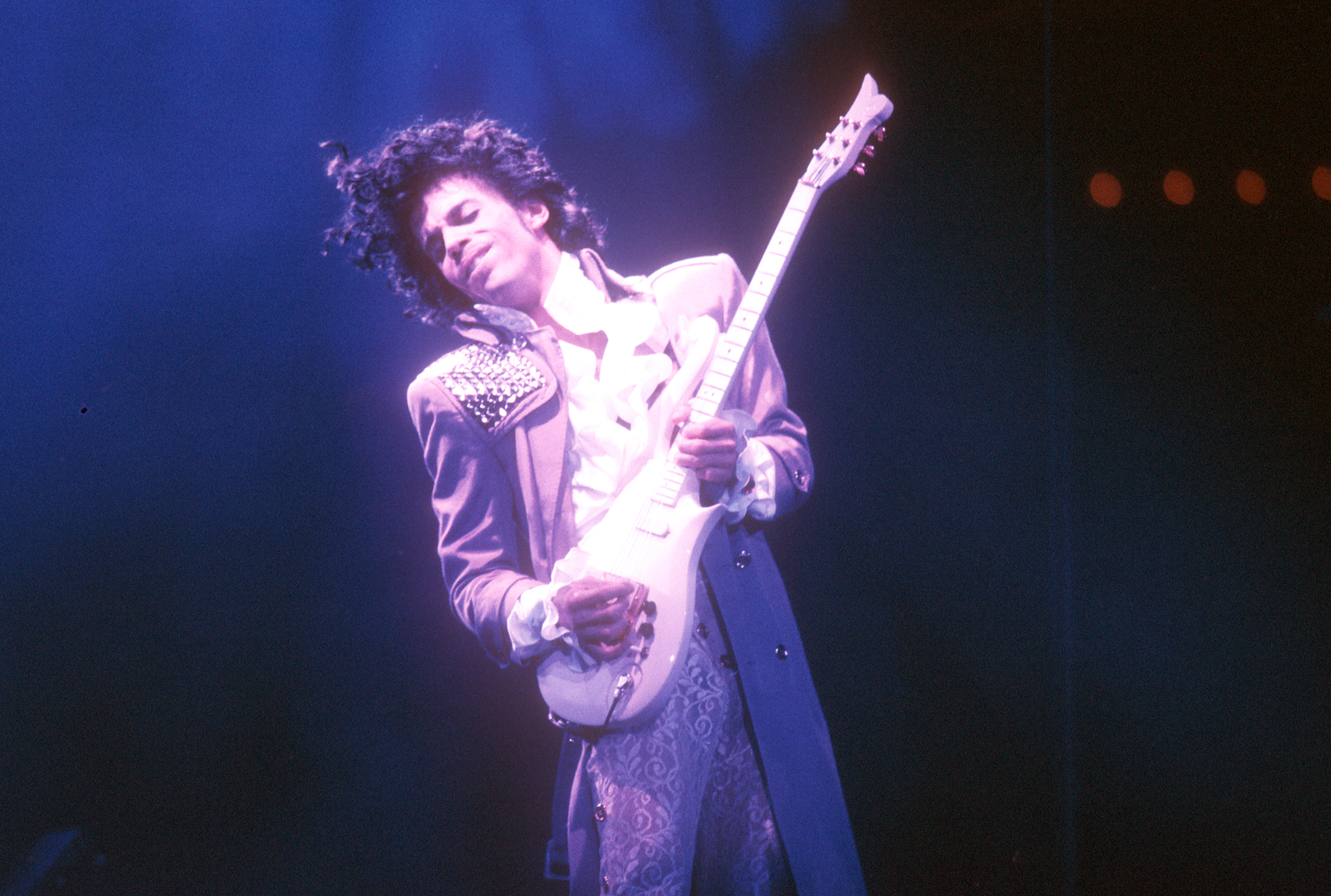
The Anti-Thriller
While Michael Jackson was honing a comforting and fantastical image with dancing werewolves and zombies, very “Halloween-friendly,” Prince decided to tease and rile up his audience. With his film Purple Rain, he aimed to bend the rules of the Hollywood musical, traditionally neat and merry, by layering an underground-club aesthetic saturated with leather and a soundtrack that wandered between funk and rock, offering viewers a dive into his own psyche.
A long way from the clearly marked paths of the feel-good movie, Purple Rain sank into a disturbing darkness. The Kid’s character, Prince’s alter ego, is no clean-cut hero. He is portrayed as narcissistic, volatile, and cruel, reproducing, almost involuntarily, the destructive patterns he endured in childhood and adolescence. For here, the story centers more on domestic violence and artistic self-sabotage than on a traditional success tale.
The rest is reserved for subscribers. Already subscribed? Sign in

Read the rest for €1 and support Ecran Large
(€1 for 1 month, then from €3.75/month)


Also to read
31
Michael: review of a Bohemian Rhapsody-style horror
31