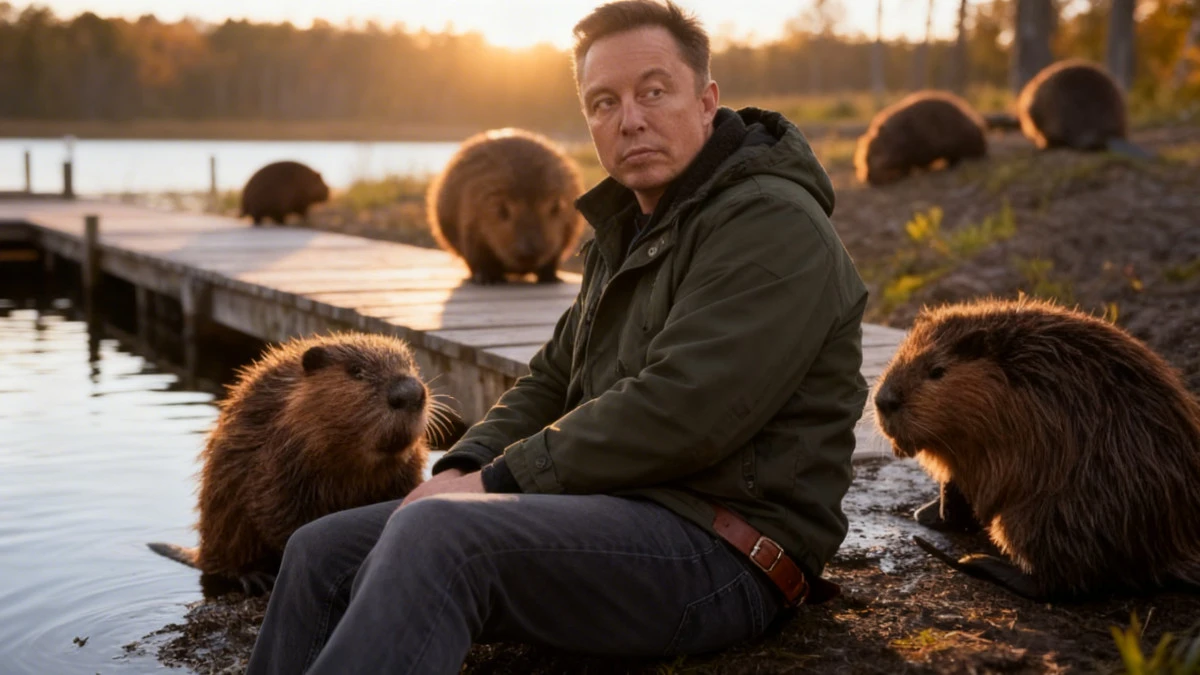
You wanted Silicon Valley efficiency in your government? Be careful what you wish for. In the Musk-led quest for government optimization, the United States is now facing unintended—and costly—consequences. Among them: a surge in invasive species, crumbling agricultural defenses, and growing anxiety over food security.
From Bold Vision to Chaotic Reality
When Elon Musk promised to bring rapid-fire tech world productivity to Washington, few envisioned the turmoil that would follow. His Department of Government Efficiency (DOGE)—not to be confused with the meme coin—was tasked with eliminating waste. Musk even boasted his staff were working marathon, 120-hour weeks to achieve it. But the drive for “efficiency” soon turned into sweeping job cuts and a scramble to keep vital federal work on track.
The effects were immediate and severe. Essential agencies, especially those managing agriculture and the environment, found themselves short-handed just as international trade disputes, avian flu outbreaks, and supply chain instability put additional pressure on the system. Instead of seamless innovation, the result was disarray, delays, and a national dilemma that threatens more everyday Americans by the day.
The USDA Layoffs: Food Security on the Line
In February, the Department of Agriculture (USDA) laid off 6,000 employees, according to multiple reports. Experts describe this as a gut punch to the nation’s food safety network. Among those let go were seasoned inspectors, biologists, and pest-detection dog handlers—the very personnel who safeguard America’s food supply.
The Plant Protection and Quarantine (PPQ) division, the first barrier against invasive biological threats, was hit hardest. Major entry points like the ports of Los Angeles and Miami saw workforce reductions exceeding 35 percent, with detection teams suffering up to 60 percent cuts. As a result, goods sat spoiling in ports, inspection backlogs mounted, and the risk of uninspected cargo—carrying dangerous pests like the giant African land snail or Asian longhorn beetle—increased dramatically. Food price hikes and shortages have become increasingly likely across the country, particularly in smaller towns and rural regions.
Derek Copeland, who formerly trained detection dogs for the USDA, warns that one missed pest could decimate harvests and ripple through supermarkets and small businesses nationwide. Customs specialist Mike Lahar agrees that these chain reactions could impact far more than just farmers, disrupting the entire economic ecosystem tied to American agriculture.
Backlash and Unanswered Questions
The Musk administration maintains that the layoffs were about increasing efficiency. However, public and expert backlash has been swift. Two federal judges have already ruled in favor of reinstating some dismissed workers, though the White House dismissed these rulings as “absurd,” according to reports. In the face of mounting pressure, the USDA temporarily paused further terminations for 45 days, but there’s no firm plan to reverse the cuts or restore capacity.
Joe Hudicka, a veteran in logistics, is warning of food supply disruptions and rising prices that could hit rural communities particularly hard. With ongoing delays and staff shortages, there is a growing fear that store shelves may soon be emptier—and that prices could rise significantly.
The turmoil has sparked debate about what’s really driving the changes. Some, citing Wired, allege DOGE’s mission was to shrink public agencies and open the door for private interests in agriculture, defense, and infrastructure. Others believe Musk is acting out of sincere intent, but is outmatched by the complexity of federal governance—a case of tech optimism clashing with government reality.
Biosecurity at Risk: A National Challenge
With existing threats like bird flu, tense trade relations with China, and international supply chain instability, America’s weakened inspection system could not have come at a worse time. Kit Johnson, an agricultural trade compliance expert, put it plainly: “If even one invasive species slips through, we’re looking at a national crisis.” Today’s pared-down inspection teams are expected to fight risks they may no longer have the resources to detect or control.
Musk’s disruptive approach, once celebrated in the private sector, now appears to be jeopardizing public safety. Layoffs have strained food security, disrupted port operations, damaged America’s trading reputation, and added to national unemployment.
The lesson is clear: effective governance demands more than just cutting costs or streamlining processes. Some safeguards are there for a reason. Unless leadership takes urgent steps to restore America’s agricultural defenses, the nation could soon face a biosecurity crisis—one that may have lasting global repercussions. In government, as in life, some corners just shouldn’t be cut.

![[Valid HTML 4.01]](/images/vh401)
![[Valid CSS]](/images/vcss)
![[Unicode encoded]](/images/unicode)
![[Created with Vim]](/images/vim)
![[Powered by Apache]](/images/apache)